QR Codes Marketing: The Ultimate Guide for Businesses
Learn how to create and use QR codes effectively for your marketing campaigns and drive more engagement.
QR codes have revolutionized the way businesses connect offline and online marketing efforts. These scannable codes bridge the gap between physical materials and digital content, offering unprecedented tracking capabilities and customer engagement opportunities.
What Are QR Codes?
QR codes, or Quick Response codes, are two-dimensional barcodes that can store various types of data, including URLs, text, and contact information. Unlike traditional barcodes that can only be read horizontally, QR codes can be scanned from any direction, making them incredibly versatile for marketing campaigns.
First developed in 1994 by a Japanese company for tracking automotive parts, QR codes have evolved into powerful marketing tools. Today, virtually every smartphone can scan these codes instantly, making them accessible to billions of potential customers worldwide.

Why QR Codes Matter for Marketing
The resurgence of QR codes in recent years has been remarkable. The global pandemic accelerated their adoption as businesses sought contactless solutions for menus, payments, and information sharing. This shift has permanently changed consumer behavior, with QR code scanning becoming second nature for most smartphone users.
For marketers, QR codes offer a unique advantage: the ability to track offline marketing effectiveness. When you combine QR codes with URL shortening services like SnapURL, you gain detailed analytics about who scans your codes, when, and where.
Creating Effective QR Code Campaigns
Successful QR code marketing requires more than just generating a code and placing it on materials. Strategic planning ensures your codes drive meaningful engagement and measurable results. Consider these essential elements when designing your QR code campaigns:
- Clear Call-to-Action: Tell users what they'll get by scanning
- Proper Sizing: Ensure codes are large enough to scan easily
- Mobile-Optimized Landing Pages: Direct scanners to responsive content
- Value Proposition: Offer something worthwhile for scanning
- Testing: Always test codes before printing
Best Practices for QR Code Placement
Where you place your QR codes significantly impacts their scan rates. High-traffic areas with good lighting and stable surfaces work best. Avoid placing codes where people are moving quickly or where they might not have time to stop and scan.
Consider the context of your placement. Restaurant table tents, product packaging, business cards, and event signage are all excellent locations. Each placement should make sense for the user journey and provide immediate value upon scanning.
Tracking QR Code Performance
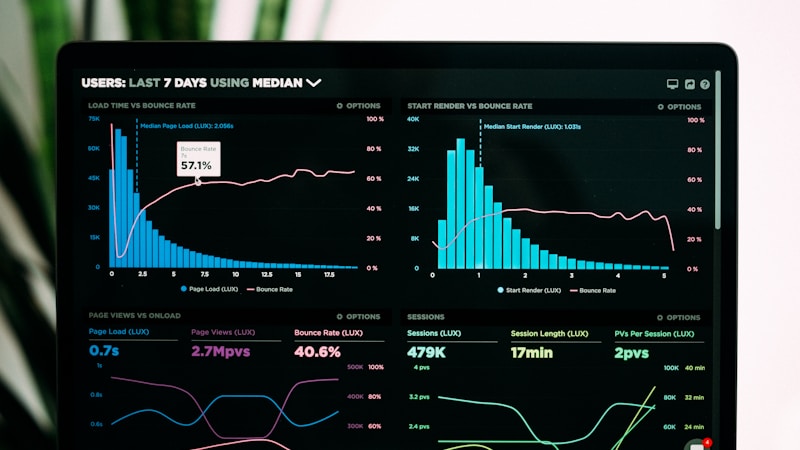
One of the greatest advantages of using QR codes with URL shorteners is the ability to track performance metrics. By creating unique shortened URLs for each QR code placement, you can measure which locations, materials, or campaigns generate the most engagement.
Key metrics to monitor include total scans, unique scanners, geographic distribution, time of day patterns, and device types. This data helps optimize future campaigns and allocate marketing budgets more effectively. Learn more about link tracking and analytics to maximize your QR code ROI.
Creative QR Code Applications
Beyond basic URL linking, QR codes can trigger various actions. They can initiate phone calls, send pre-written text messages, add calendar events, or display contact information. Creative applications include scavenger hunts, augmented reality experiences, and exclusive content access.
Restaurants use QR codes for digital menus, reducing printing costs and allowing instant updates. Retailers link to product videos and reviews. Real estate agents provide virtual property tours. The possibilities are limited only by imagination and strategic thinking.
Designing Branded QR Codes
Modern QR codes don't have to be boring black-and-white squares. Many generators allow customization with colors, logos, and unique patterns while maintaining scannability. Branded QR codes increase recognition and trust, encouraging more scans.
When customizing QR codes, maintain sufficient contrast between the code and background. Test thoroughly across multiple devices before finalizing designs. A beautiful code that doesn't scan defeats the entire purpose of your campaign.
Common QR Code Mistakes to Avoid
Many QR code campaigns fail due to avoidable mistakes. Linking to non-mobile-friendly pages frustrates users and wastes opportunities. Placing codes in areas without internet connectivity or where scanning is impractical reduces effectiveness dramatically.
Other common errors include making codes too small, using low contrast colors, not providing context about what the code does, and failing to track performance. Each mistake represents lost engagement and wasted marketing investment.
Frequently Asked Questions
How do I create a QR code for free?
Many URL shorteners like SnapURL include free QR code generation. Simply create a shortened link and download the associated QR code. No design skills or special software required.
What size should my QR code be?
The minimum recommended size is 2x2 cm (about 0.8x0.8 inches) for close-range scanning. For posters or billboards, scale up proportionally based on expected scanning distance.
Can I change where my QR code points after printing?
Yes, if you use a dynamic QR code linked to a shortened URL. You can update the destination URL without reprinting the code, saving time and money on marketing materials.
Do QR codes work without internet?
QR codes can be scanned offline, but if they link to a website, internet connection is needed to view the content. Some codes containing plain text or contact info work completely offline.
QR codes represent a powerful bridge between physical and digital marketing. When combined with proper tracking through services like SnapURL, they provide measurable insights into offline campaign performance. Start incorporating QR codes into your marketing strategy today and unlock new ways to engage your audience.